0 item(s)
View cart
You have no items in your shopping cart.
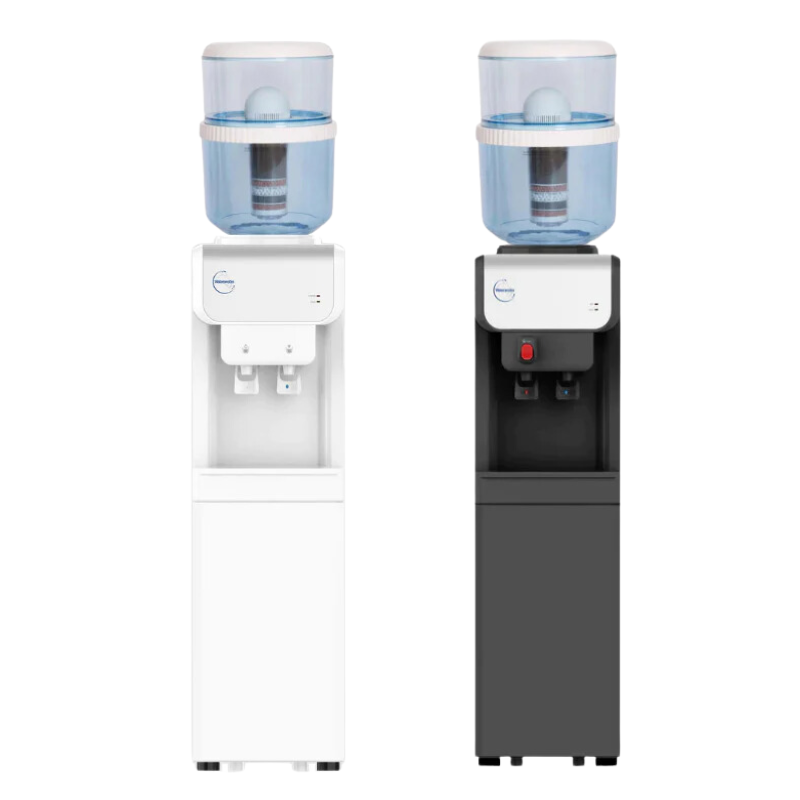
A point-of-use (POU) water cooler, also known as a bottleless or on-demand water dispenser, is a highly efficient hydration solution. Unlike traditional models that rely on heavy, refillable jugs, these units connect directly to a building's main water supply.
This direct connection ensures that you never have to worry about running out of clean drinking water. They continuously filter and dispense fresh water, making them an excellent choice for supplying high-traffic areas without the hassle of plastic bottles.
Many people wonder how these machines provide pristine drinking water without using pre-filtered bottled water. The process begins by connecting the machine to your local municipal water line.
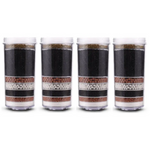
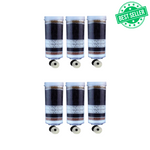
Once the tap water enters the machine, it passes through a high-quality internal purification system. Regularly replacing these internal water filters guarantees that the water remains free of contaminants and odors.
After filtration, the water is routed into internal reservoirs where it is either chilled or heated. When a user presses the nozzle, the machine dispenses perfectly temperature-controlled, purified water.
The primary benefit of a bottleless cooler is the elimination of heavy lifting and complex logistics. You no longer need to purchase, carry, or store bulky 5-gallon water jugs in your breakroom or pantry.
This frees up valuable storage space and saves the time usually spent managing water deliveries. The cooler provides an endless supply of water with minimal effort.
Modern bottleless coolers feature state-of-the-art filtration that produces exceptionally pure water. Because the water is filtered on demand, it minimizes the risk of stagnant water and bacterial growth often associated with older dispensers.
Additionally, avoiding plastic jugs helps eliminate potential exposure to BPA and other chemicals that can leach from commercial plastics over time.
Purchasing bottled water involves paying for the manufacturing, packaging, and transportation of the plastic jugs. By tapping directly into your existing water supply, a point-of-use cooler bypasses these inflated costs entirely.
Over time, switching to a plumbed-in system can save households and businesses a significant amount on their annual hydration expenses. The only recurring cost is the routine replacement of the filter cartridges.
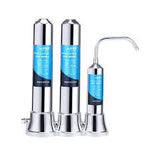
Look for a cooler that includes a robust built-in filtration system, such as carbon block filters or reverse osmosis. If your environment requires absolute, medical-grade purity, you might even consider supplementary purification like water distillers for specific applications.
Consider the temperature options you need: some units offer cold and room temperature, while others provide piping hot water for tea and coffee. Flow rate and tank capacity are also crucial, especially if you are buying a unit for a busy office.
You also want a system that operates quietly and is energy-efficient. Look for models with Energy Star certifications and solid warranties to ensure long-term reliability.

While traditional bottled water coolers (including bottom-loading models) hide the heavy jug for aesthetic reasons, they still require you to manage and replace empty bottles. They also rely on pre-packaged water, which studies have shown can sometimes contain microplastics.
A bottleless water cooler removes the packaging entirely. It offers the same sleek look as a bottom-loading dispenser but provides freshly filtered water straight from the source, saving both money and environmental resources.
Offices require a constant supply of water for numerous employees throughout the day. Point-of-use coolers prevent the breakroom from running dry and eliminate the administrative headache of managing water deliveries.
Medical centers and gyms see high volumes of people who need immediate access to clean hydration. Bottleless coolers allow guests and staff to easily refill their personal bottles with chilled, filtered water.
Schools operate on tight budgets and have large populations of students and staff to keep hydrated. Installing plumbed-in water supplies across cafeterias and lounges is a highly cost-effective way to ensure safe drinking water campus-wide.
While some handy homeowners can install simple POU coolers themselves using standard adapters, it is often recommended to use a professional plumber. This ensures the connection to the main water line is secure and completely leak-free.
Because point-of-use coolers rely directly on the building's water line, they will not be able to pull new water if the main supply is shut off. However, most units have internal holding tanks that will store a small reserve of already filtered water.
Filter lifespan depends on your local water quality and how much water the machine dispenses daily. As a general rule, filters in a standard residential or small office environment should be replaced every 6 to 12 months.
Yes, most modern point-of-use coolers that dispense hot water are equipped with child-safety locks on the hot water nozzle. This prevents accidental burns and ensures safe operation in homes with children or public spaces.