0 item(s)
View cart
You have no items in your shopping cart.
Have you ever taken a sip of tap water and immediately noticed an unusual or unpleasant flavor? Many homeowners frequently experience an odd chlorine smell, a sharp metallic aftertaste, or a musty, earthy hint in their drinking water.
While reaching for single-use bottled water is a common reaction, understanding the root cause of the taste is much more effective. Proper filtration removes hidden contaminants, protects your long-term health, and provides a sustainable solution for your household.

Before blaming your taste buds, it is helpful to take a closer look at the environmental and infrastructural factors that influence municipal water quality. Different tastes usually point to very specific types of contaminants.
Municipalities intentionally add chlorine to public water supplies as a highly effective disinfectant. While this keeps the water safe from biological pathogens, excessive chlorine levels can cause your tap water to taste and smell distinctly like a swimming pool.
Utilizing comprehensive water filters effectively traps residual chlorine and its chemical by-products. This straightforward filtration process restores the water's natural, neutral taste without compromising biological safety.
A sharp, metallic flavor often originates directly from the plumbing inside your home or the surrounding city infrastructure. Older homes equipped with aging copper, iron, or galvanized pipes may gradually leach trace metals into the water supply.
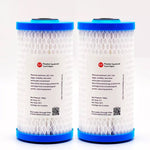
To combat this specific issue, sediment filtration is highly recommended. Dense filtration media physically traps fine metallic particles and rust flakes, significantly improving the water's clarity and overall flavor profile.
A damp, dirt-like taste is generally caused by natural organic matter, such as harmless algae or bacteria blooms from municipal reservoirs. While the city's treatment process renders the water safe to consume, the lingering organic compounds often make the flavor unappetizing.

High concentrations of dissolved minerals like sodium, calcium, or magnesium can create a distinctly bitter or salty aftertaste. This issue is especially common in coastal regions or geographical areas characterized by naturally hard water.
For the absolute removal of these dissolved minerals, many households turn to Ace water distillers. The distillation process physically separates pure H2O from the heavy mineral content, leaving behind perfectly neutral water.
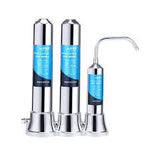
Identifying the primary cause of your water's poor taste is the critical first step toward a permanent solution. Investing in a high-quality filtration system is widely considered the most reliable way to address these aesthetic and chemical water issues.
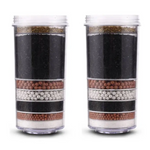
Different filtration media target specific contaminants. For instance, activated carbon excels at absorbing chlorine and chemical odors, while dense ceramic filters are superior at blocking physical organic impurities and dirt.
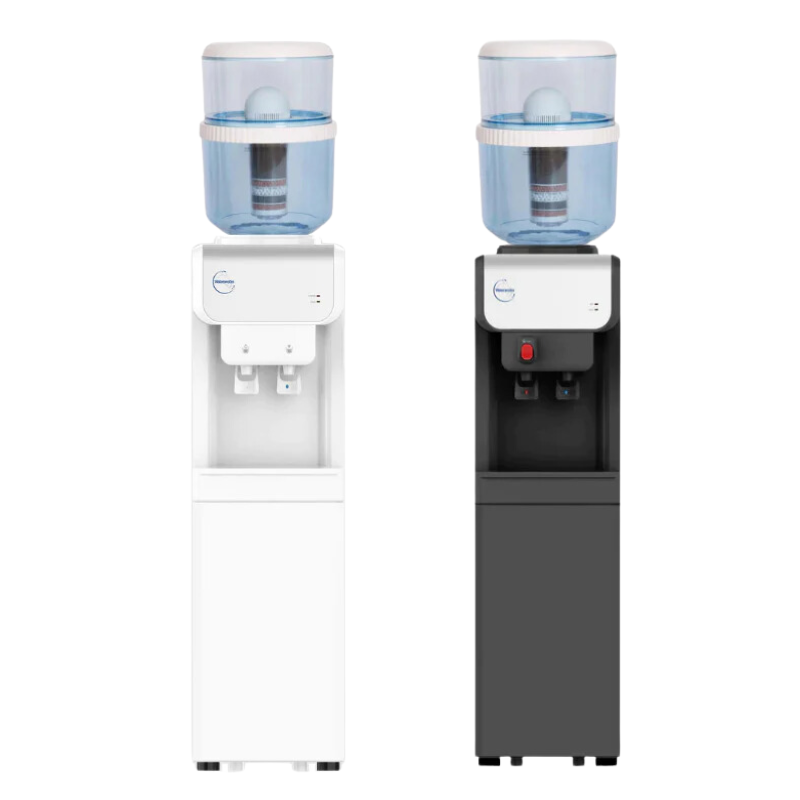
For busy office environments or large households, bottled water coolers equipped with refillable filtration bottles offer a highly convenient alternative. They provide continuous access to chilled, purified water without contributing to single-use plastic waste.

Improving taste is merely the most immediate advantage of installing a dedicated filtration system. Clean, great-tasting water naturally encourages better daily hydration habits, leading to improved focus and energy levels for the entire family.
Furthermore, removing abrasive sediments and scale-causing minerals drastically increases the longevity of your household appliances. Everyday machines like coffee makers, kettles, and steam irons perform much more efficiently and require less maintenance when using purified water.

Yes, municipal tap water is strictly regulated and treated to be biologically safe for consumption. However, it may still contain safe levels of chlorine, trace heavy metals, or hard minerals that negatively affect its taste and odor.
No, different filters serve different purposes. Standard activated carbon filters excel at chlorine and odor removal, while multi-stage systems or water distillers are required to effectively remove heavy metals, fluoride, and dissolved solids.
For optimal performance and hygiene, most standard filter cartridges should be replaced every 6 to 12 months. This timeframe can vary based on your household's daily water consumption and the initial quality of your tap water.
Absolutely. Removing chlorine and competing hard minerals allows the natural flavors and essential oils of coffee beans and tea leaves to extract more cleanly. This results in a smoother, more aromatic, and less bitter beverage.
 Aaron John Macaranas