0 item(s)
View cart
You have no items in your shopping cart.
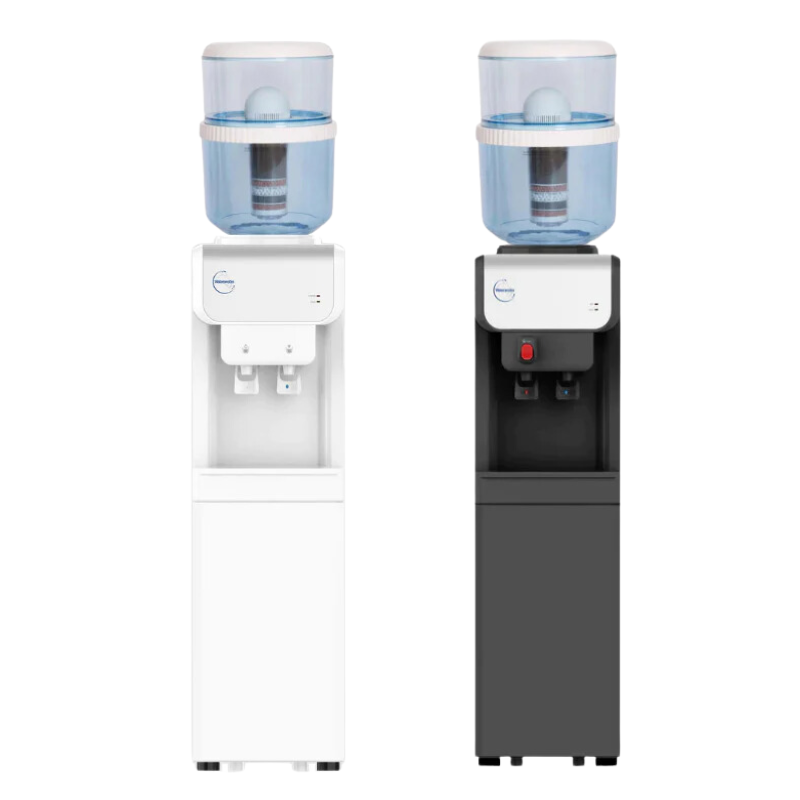
Installing a dedicated bottled water dispenser is a highly efficient method for bypassing standard municipal tap water and securing reliable, temperature-controlled hydration. Unlike point-of-use systems that require complex plumbing modifications, bottled dispensers operate as standalone units that deliver filtered, high-quality water immediately upon installation.
Understanding the hardware configurations, loading mechanics, and integrated filtration options is critical to selecting the optimal unit for residential or commercial environments.

Water dispensers are engineered into several structural categories, each designed to address specific capacity requirements, ergonomic needs, and spatial limitations.
Top-loading systems utilize gravity-fed mechanics to draw water from an inverted 15L or 20L bottle down into the internal heating and cooling reservoirs. These models are highly durable due to the absence of internal pumping mechanisms.
Bottom-loading units feature an enclosed lower cabinet where the water bottle is stored upright. An internal pump mechanism draws the water up into the dispensing reservoirs. This design conceals the bottle, offering a sleeker aesthetic.

Countertop models condense the compressor and reservoir technology of a freestanding unit into a compact form factor. They are designed to sit directly on kitchen counters or office credenzas.

Modern dispensers utilize dedicated internal compressors to actively chill water to crisp temperatures (typically 4°C - 10°C). Additionally, dual-temperature models feature isolated heating elements capable of dispensing near-boiling water instantly, optimizing the preparation of hot beverages and instant meals.

While many users rely on pre-filled commercial spring water, a highly economical alternative is combining a bottled dispenser with a refillable filtration system. This allows you to process standard municipal tap water directly at the dispenser.


Transitioning to a bottled water dispenser equipped with a reusable 20L filtration bottle drastically curtails a facility's reliance on single-use plastics. By refilling a high-capacity container with tap water and filtering it internally, households can save hundreds of plastic bottles from entering landfills annually.

To maintain optimal hygiene and water taste, the external nozzles and drip tray should be wiped down weekly. A full internal sanitization of the reservoirs—using a mild vinegar solution or approved disinfectant—should be performed every 3 to 6 months.
No. Refillable filtration bottles rely on gravity to pull water through the filter media, meaning they are exclusively compatible with top-loading and countertop dispenser models.
Leaks are most commonly caused by a microscopic hairline crack in the water bottle itself, which breaks the vacuum seal and allows the reservoir to overflow. Replacing the bottle generally resolves this issue immediately.
 Aaron John Macaranas