0 item(s)
View cart
You have no items in your shopping cart.
As environmental temperatures rise during the summer months, maintaining adequate fluid intake becomes a critical physiological priority. Our bodies lose water at an accelerated rate in hot weather, increasing the risk of dehydration and heat-related fatigue. Having immediate access to a reliable, chilled water source is one of the most effective ways to encourage consistent hydration.
Cold water dispensers provide a highly practical solution for environments where people need frequent access to refreshing water. Beyond personal health, transitioning to a centralized dispenser is a significant step toward environmental sustainability. It eliminates the reliance on single-use plastic water bottles, vastly reducing household or office waste.
Understanding the different configurations of hydration systems helps in selecting the most efficient model for a specific space. From high-capacity freestanding units to compact countertop designs, modern dispensers utilize advanced refrigeration compressors to maintain crisp temperatures.
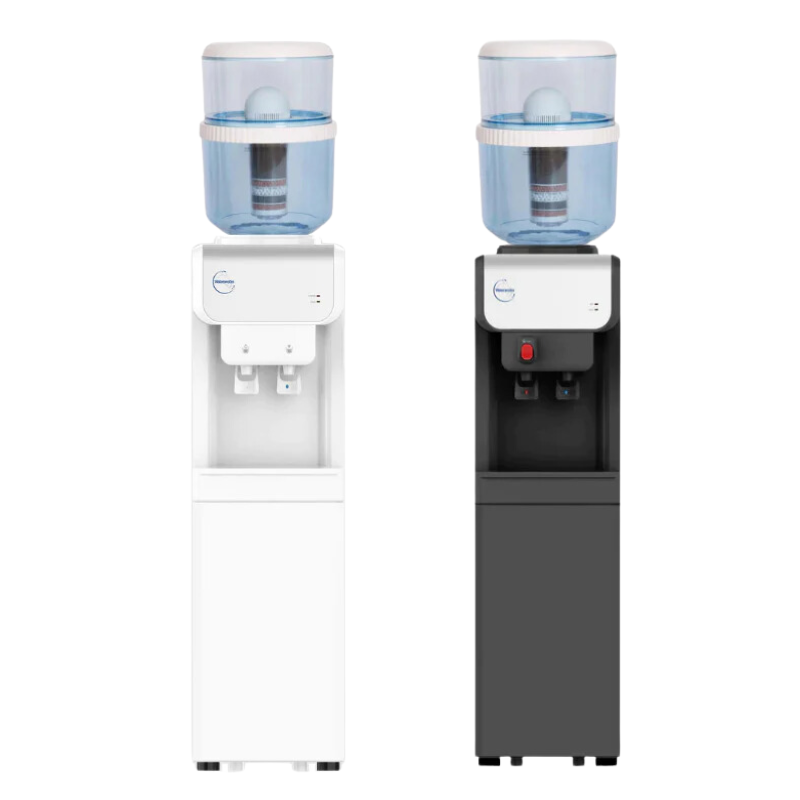
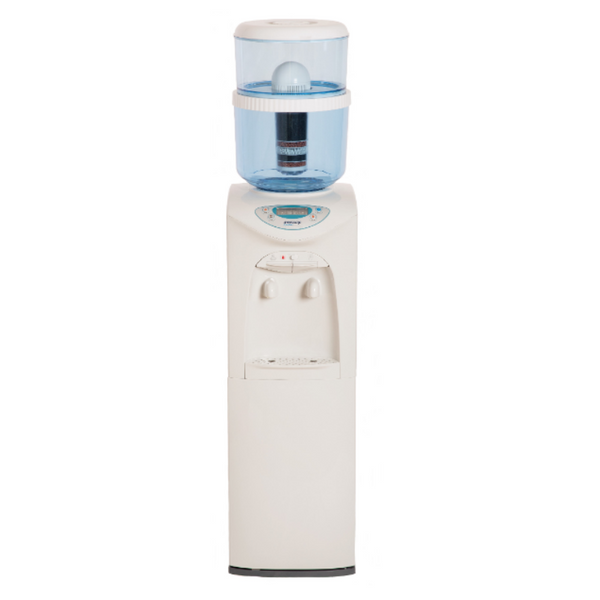
Traditional freestanding models are highly versatile and engineered for straightforward operation. As top-loading systems, they allow users to easily monitor remaining water levels, making scheduled refills highly predictable. Standard bottled water coolers are widely utilized in both residential kitchens and bustling corporate breakrooms due to their reliable cooling capacity.
For environments with limited floor space, benchtop or countertop models offer an excellent alternative. Despite their smaller physical footprint, these units utilize the same highly efficient cooling compressors found in their larger counterparts. They are ideal for small apartments, reception desks, or compact office pantries where maximizing space is essential.
Some advanced freestanding models maximize utility by incorporating a small refrigeration compartment into the base of the unit. This dual-functionality allows users to chill ambient water while simultaneously storing cold snacks or canned beverages. It is a highly efficient setup for recreation rooms, home gyms, or small office environments seeking to consolidate appliances.

Bottleless water coolers are designed to connect directly to a building's existing municipal water line. This configuration provides a continuous, endless supply of chilled water without the logistical hassle of replacing heavy jugs. These plumbed systems are particularly effective for high-traffic environments aiming to minimize physical maintenance and completely eliminate plastic jug waste.

Water facilitates nearly every vital function within the human body, from regulating internal temperature to lubricating joints. Common early indicators of dehydration include unexplained fatigue, dizziness, and mild cognitive confusion. Addressing these symptoms promptly with chilled water helps stabilize core temperatures and restores mental clarity.
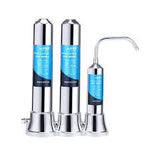
To ensure the water consumed is as pure as possible, many facilities integrate dedicated water filters into their plumbed systems. For absolute purity, treating tap water with Ace water distillers prior to dispensing guarantees the complete removal of dissolved solids and heavy minerals.
Most modern water dispensers are highly energy-efficient. They utilize insulated internal reservoirs to hold the chilled water, meaning the cooling compressor only needs to run intermittently to maintain the target temperature.
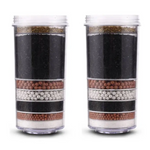
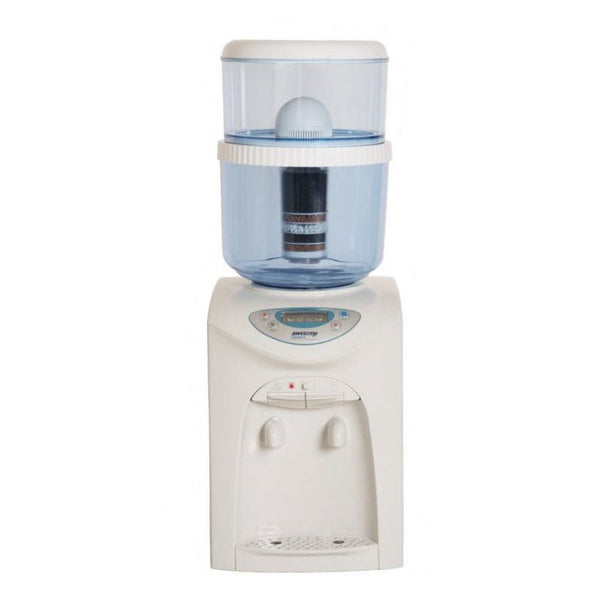
While traditional jugs are pre-filled by commercial suppliers, many users opt for specialized, refillable filtration bottles that sit on top of the cooler. This allows you to manually pour in tap water, which is then filtered before entering the cooling tank.
Most compressor-driven cold water dispensers are calibrated to chill water to between 45°F and 50°F (7°C to 10°C). This temperature range is considered optimal for rapid hydration without causing throat discomfort.
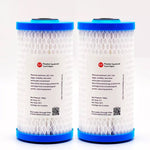
The primary maintenance for a bottleless system is replacing the internal filtration cartridges, which typically occurs every 6 to 12 months. The physical cooling components generally do not require professional servicing unless a mechanical failure occurs.