0 item(s)
View cart
You have no items in your shopping cart.
While standard activated carbon filters are excellent at removing chlorine and improving water taste, fluoride presents a much more difficult challenge. Because fluoride is a dissolved mineral, it requires specialized, highly technical filtration methods for effective extraction.
If you are looking to lower your daily fluoride intake, installing a dedicated purification system or utilizing a centralized water dispenser is the most reliable approach. Understanding the science behind fluoride and the mechanics of these systems is the first step toward managing your water quality.

Fluoridation has been utilized in public water sources as an oral health initiative since the 1950s. As of 2016, over 70% of the population in Australia receives artificially fluoridated water. The recommended daily limits typically fall within the Australian Drinking Water Guidelines of no more than 1.5 mg/L.
While topical fluoride is widely recognized by dental professionals for preventing tooth decay, the systemic ingestion of the chemical remains a subject of ongoing discussion. Many households choose to monitor and control their exposure by filtering their primary drinking water.
Fluoride exists naturally in the environment, but the artificial compounds added to municipal water—such as fluorosilicic acid and sodium fluoride—behave differently when ingested. While the government regulates these levels strictly, long-term exposure to higher concentrations can lead to specific health concerns.
The most visible consequence of excessive fluoride consumption during childhood is dental fluorosis, which causes white spotting or severe staining on developing teeth. Over decades of high exposure, fluoride can also accumulate in the skeletal system, potentially leading to brittle bones and decreased joint flexibility.
Ongoing scientific studies are exploring the broader systemic impacts of fluoride. Because fluoride mimics certain hormones, high exposure has been studied for its potential to interfere with thyroid function and metabolic rates. Some studies also suggest a correlation between high prenatal fluoride exposure and neurodevelopmental impacts, though global health guidelines are continually being reviewed.

To successfully achieve fluoride-free water, you must rely on technologies that separate contaminants at a molecular level. The following methods are scientifically proven to significantly reduce or completely eliminate fluoride from drinking water.
Reverse osmosis is one of the most popular residential solutions for fluoride removal. This process utilizes household water pressure to force tap water through a semi-permeable membrane. The microscopic pores of the membrane allow water molecules to pass while blocking heavy minerals, including fluoride.
While RO systems are highly effective, they also strip away beneficial minerals like calcium and magnesium. For this reason, many modern water filters include a final remineralization stage to restore the water's pH balance and taste.
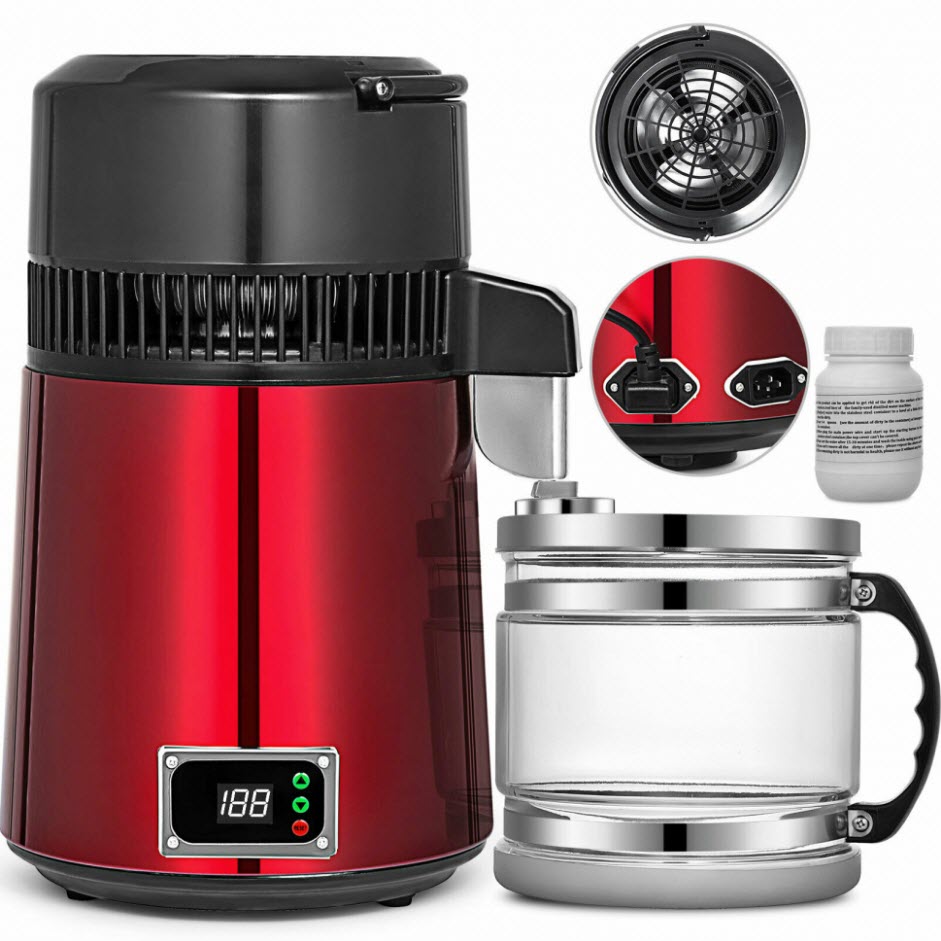
Distillation is a straightforward, highly effective method that mimics the earth's natural water cycle. A distiller boils water into steam, leaving heavy pollutants—including fluoride, lead, and arsenic—behind in the boiling chamber. The steam is then cooled and condensed back into pure, liquid water.
For individuals seeking absolute purity without complex plumbing installations, utilizing Ace water distillers provides an unmatched level of heavy metal and fluoride removal.

Activated alumina is a highly porous, solid form of aluminum oxide. As water travels through the filter media, the alumina grains efficiently absorb fluoride ions. This method is heavily endorsed by environmental protection agencies for large-scale water treatment.
It is important to note that activated alumina requires a specific water pH (typically between 5.0 and 6.0) to operate at maximum efficiency, making it highly specialized but incredibly effective when calibrated correctly.
Bone char carbon is one of the oldest methods for fluoride extraction. Created by heating animal bones to extremely high temperatures, the resulting porous material can remove up to 90% of fluoride from water. While effective, it is not suitable for households maintaining a vegan lifestyle.
Taking control of your drinking water quality requires looking past basic pitcher filters. Whether you choose the comprehensive purification of a reverse osmosis system or the simplicity of a countertop distiller, addressing fluoride requires specific, targeted technology.
By understanding the mechanics of these filtration methods, you can make an informed, confident decision to protect your household's long-term hydration and health.
No, boiling water does not remove fluoride. Because boiling causes some water to evaporate as steam, it actually slightly increases the concentration of the fluoride left behind in the pot or kettle.
Most standard refrigerator and basic pitcher filters use activated carbon. While highly effective at removing chlorine and improving taste, standard carbon does not have the capability to remove dissolved minerals like fluoride.
Fluoride is not easily absorbed through the skin. Showering or bathing in fluoridated municipal water is generally not considered a significant source of systemic fluoride exposure compared to direct consumption.