0 item(s)
View cart
You have no items in your shopping cart.
Water is absolutely essential for human survival, making up approximately 70% of the adult body. Maintaining adequate fluid levels is crucial, as dehydration gradually slows down blood flow to the brain and vital organs. Because the early stages of dehydration are imperceptible, it is frequently mistaken for hunger.
To optimize daily fluid intake, many people look beyond standard filtration to actively condition their drinking water. Magnesium prill beads are a specialized water treatment medium crafted primarily from magnesium oxide. When placed in water, these beads interact with the liquid to alter its surface tension and chemical bonding structure.

Prill beads effectively lower the oxidation-reduction potential (ORP) of water while reducing its overall surface tension. This physical change causes the water molecules to become less densely clustered. The resulting liquid is often described as having a thinner, finer texture that is incredibly smooth on the palate.
Because the water is de-clustered, it is believed to be more easily absorbed by human cellular structures. This "micro-clustered" state allows for highly efficient hydration, meaning less water may be required to feel fully replenished.
The technology behind prill beads originally stems from industrial environmental applications. Researchers developed these specialized magnesium oxide compounds as a method to purify and treat wastewater, including water used in nuclear facilities.
By adapting this potent conditioning method for residential use, households can now create highly refined water from almost any standard tap source. The beads themselves are non-dissolvable, meaning they do not physically break down into the water over time.

Using prill beads offers several distinct advantages over drinking untreated municipal water. While they do not provide heavy mineral supplementation, their ability to restructure the liquid yields noticeable results.
One of the most prominent benefits is the conversion of slightly acidic tap water into a more alkaline state. This shift can be easily demonstrated using a standard liquid pH testing reagent. Alkaline water is highly sought after to help neutralize dietary acidity and support digestive comfort.
Because the conditioned water is thinner and less dense, it aids in the rapid absorption of moisture and nutrients into the body. This efficient hydration process naturally assists the body in flushing out cellular waste and environmental toxins more effectively.
Integrating prill beads into your daily routine is a simple, straightforward process. Follow these steps to ensure optimal performance and water quality.
Prill beads have a nearly infinite lifespan, but they do require occasional maintenance to keep them functioning perfectly. Depending on the mineral content of your source water and exposure to sunlight, the beads may gradually change color or develop algae.
To clean and sterilize them, simply soak the beads in one cup of standard 3% hydrogen peroxide (pharmacy grade). This will effectively restore their natural color and refresh their conditioning capabilities. Always keep your primary water container out of direct sunlight to minimize algae growth.

It is important to note that while prill beads restructure water, they do not mechanically filter out heavy metals, pesticides, or fluoride. Therefore, they should be used as a final conditioning step following a robust mechanical filtration process.
For the safest results, first process your tap water through high-quality water filters or highly efficient Ace water distillers. Once the water is completely purified of chemical contaminants, you can safely condition it with your prill beads.
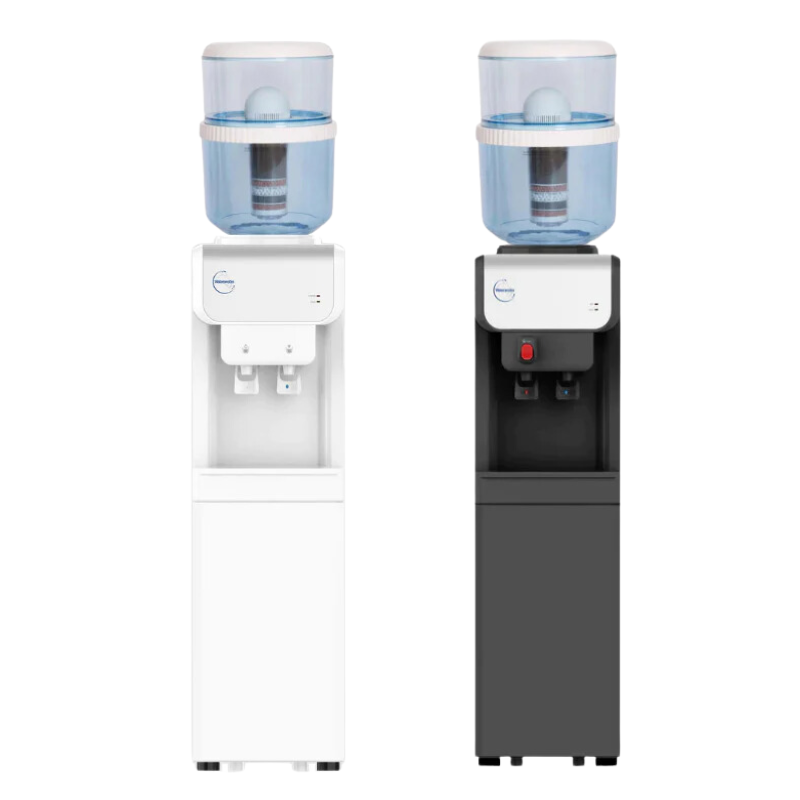
Many offices and households find success by placing the beads into the lower reservoirs of their bottled water coolers, ensuring a continuous, chilled supply of ultra-hydrating, alkaline water.
No, authentic prill beads are impervious to water and do not disintegrate or dissolve. Because they maintain their physical structure, a single batch can be reused continuously for many years.
Prill beads do not act as a mechanical filter and will not actively remove dissolved chemicals like chlorine or fluoride. You must use a dedicated carbon filter or water distiller to remove these contaminants prior to conditioning the water with the beads.
It is highly recommended to avoid metal containers. Because the beads actively alter the water's chemical bonding and oxidation potential, they should only be used in glass, glazed ceramic, or high-quality hard plastic containers to prevent unwanted reactions.