0 item(s)
View cart
You have no items in your shopping cart.
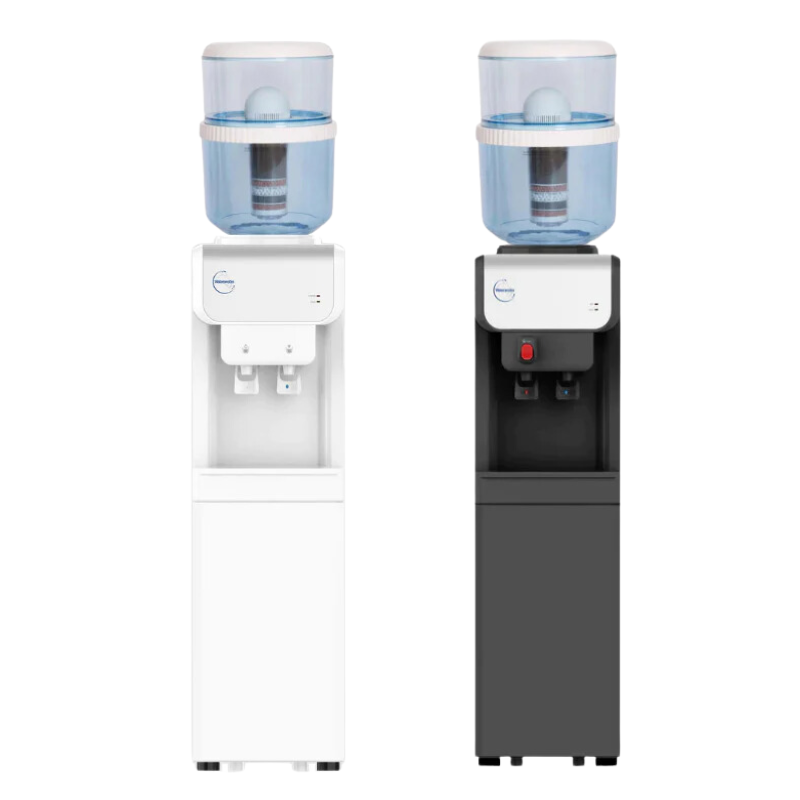
Freestanding water coolers provide a durable, high-capacity hydration solution for both residential and commercial environments. Designed to operate effectively in centralized workspaces, these floor-standing units deliver chilled, room-temperature, or hot filtered water on demand.
To maximize operational efficiency, these units require specific placement—typically in easily accessible, high-traffic areas within one meter of a standard electrical outlet. Understanding the core configurations and specifications will ensure you select a model that accurately meets your facility's output requirements.

When selecting a freestanding unit, the most critical decision involves the water sourcing mechanism. Dispensers are engineered into two primary categories:
As the name implies, these systems draw water via gravity from a large bottle mounted on the device. When the tap is engaged, the water flows down, often passing through a secondary filtration media before dispensing. Depending on the model's design, the bottle may be top-mounted and visible, or concealed within a lower storage cabinet (bottom-loading).
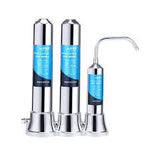
Also known as point-of-use (POU) coolers, mains-fed systems are directly connected to a building's rising municipal water main. These units bypass the need for a reservoir of pre-bottled water, utilizing high-grade carbon filtration to purify tap water continuously. They are highly recommended for high-traffic public spaces and corporate environments due to their endless supply capacity.
Modern units are equipped with high-efficiency compressors and heating elements. Dual-nozzle systems typically provide crisp, chilled water for hydration and near-boiling water for preparing teas, coffees, or instant meals. If the unit is to be installed in a home or family-friendly space, verifying the presence of child-safety locks on the hot water tap is essential.
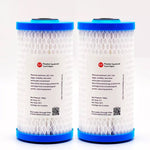
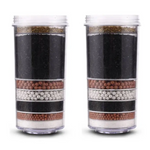
A dispenser's operational output is generally measured in "cups per hour." This metric dictates how well the machine can meet peak demand. Even in mains-fed systems, the water must pass through dense carbon filters to remove chemical residues, silt, and microorganisms. A higher capacity rating ensures the internal chilling and heating tanks can recover quickly between consecutive pours without causing pressure drops or temperature fluctuations.
The footprint and finish of a bottled water cooler should integrate smoothly with your interior decor. Premium models often feature ergonomic dispensing heights, digital temperature displays, and advanced thermal electric technology to grant users precise control over water temperatures.

Proper maintenance is required to keep water coolers sanitary and fully operational. If you choose to buy a unit, you assume responsibility for its upkeep. This involves replacing the internal filtration cartridges every 6 months and performing routine sanitization of the reservoir and dispensing nozzles.
Alternatively, renting a cooler often includes comprehensive maintenance contracts within the monthly fee. Professional technicians handle the filter changes and hygiene servicing, making this an ideal hands-off solution for busy commercial facilities.
Bottle-fed coolers rely on 15-litre or 20-litre water jugs that must be manually replaced when empty. Mains-fed (plumbed-in) coolers connect directly to your building's plumbing, providing a continuous, filtered water supply without the need to store or lift heavy bottles.
While water flows instantly when you open the tap, the internal tanks need time to chill or heat incoming water. The "cups per hour" metric indicates how many consecutive servings the machine can provide before the water temperature begins to drop or rise out of the optimal range.
To prevent bacterial buildup and maintain optimal water taste, the exterior surfaces should be wiped down weekly. The internal tanks and plumbing of the cooler should be thoroughly drained and sanitized every 6 months.