0 item(s)
View cart
You have no items in your shopping cart.
Countertop water coolers provide a highly efficient hydration solution for spaces with limited square footage. By connecting directly to a municipal water line, bottleless models eliminate the need to store bulky replacement tanks. This modern approach to hydration streamlines facility management and reduces physical clutter in the workplace.
Water dispensers have evolved significantly beyond simply chilling pre-bottled water. Innovative point-of-use (POU) coolers now deliver advanced filtration and temperature control directly from your existing plumbing. Understanding the specifications of these upgraded units helps in selecting the most effective system for your specific environment.

To fully appreciate the value of an integrated cooler, it is helpful to identify the common variables found in standard municipal water. Treatment facilities are complex, and tap water can frequently possess undesirable characteristics before it is filtered at the point of consumption.
Earthy, sulfuric, or metallic tastes are often caused by aging infrastructure, dissolved minerals, or heavy municipal disinfectants like chlorine. While these elements are generally safe, they make the water unappetizing. Upgrading to a filtered system actively strips these chemical profiles to ensure a clean, neutral taste.
Industrial dumping, agricultural runoff, and pharmaceutical waste can introduce trace amounts of nitrates, lead, and pathogenic agents into local water tables. High-quality point-of-use coolers feature robust filtration media designed to capture these hazardous compounds before the water reaches your glass.
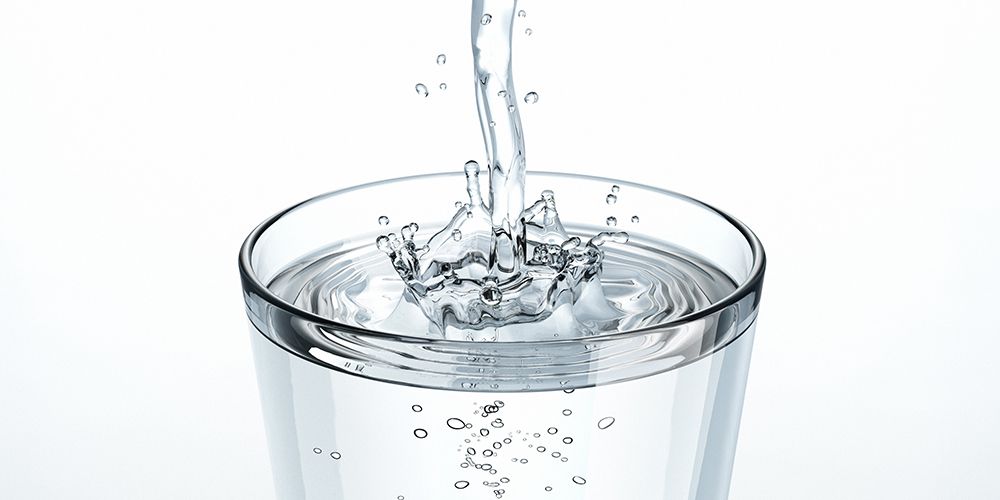
Countertop models frequently utilize multi-stage filtration to ensure optimal purity. Systems equipped with reverse osmosis (RO) use internal plumbing pressure to force water through a semi-permeable synthetic membrane. This mechanically filters away an average of 95 percent of dissolved pollutants found in tap water.
For households or facilities requiring absolute, 100% demineralized water for specific applications, installing Ace water distillers alongside your standard hydration setup offers an unmatched level of purification.
Premium countertop bottleless dispensers operate with high-efficiency cooling compressors, frequently boasting Energy Star certifications. These energy-efficient appliances consume less electricity during standby modes, significantly lowering operational utility costs over time.
Despite their compact form factor, tabletop units are engineered with dual-temperature capabilities. Users can access crisp, cold water for instant hydration or dispense hot water directly from the insulated internal heating tank. This multi-tasking feature eliminates the need for separate kettles in office breakrooms.
Countertop models are specifically designed to accommodate a wide range of receptacles. Many units feature an oversized dispensing alcove—often providing up to 9 inches of vertical clearance. This thoughtful design easily accommodates tall, reusable sports bottles and large carafes.

Implementing a bottleless system drastically reduces reliance on single-use plastics and 5-gallon commercial jugs. It eliminates the carbon emissions associated with the manufacturing, packaging, and ongoing diesel delivery of commercial water.
The cost of packaging and transporting commercial bottled water accounts for over 90% of its retail price. Filtering municipal water directly at the point of consumption removes these recurring logistical expenses. Over time, periodically replacing your system's water filters proves highly economical compared to delivery subscriptions.
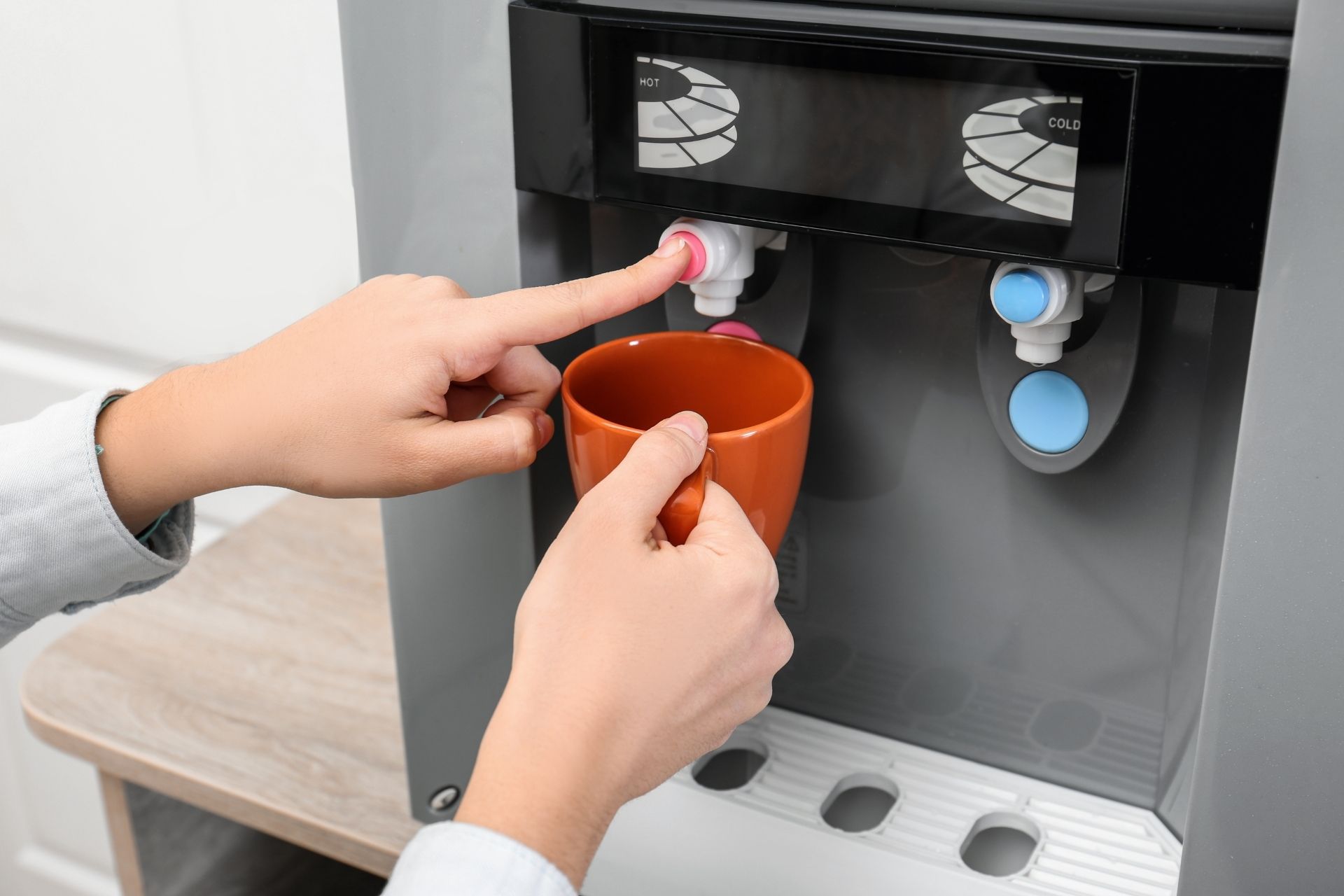
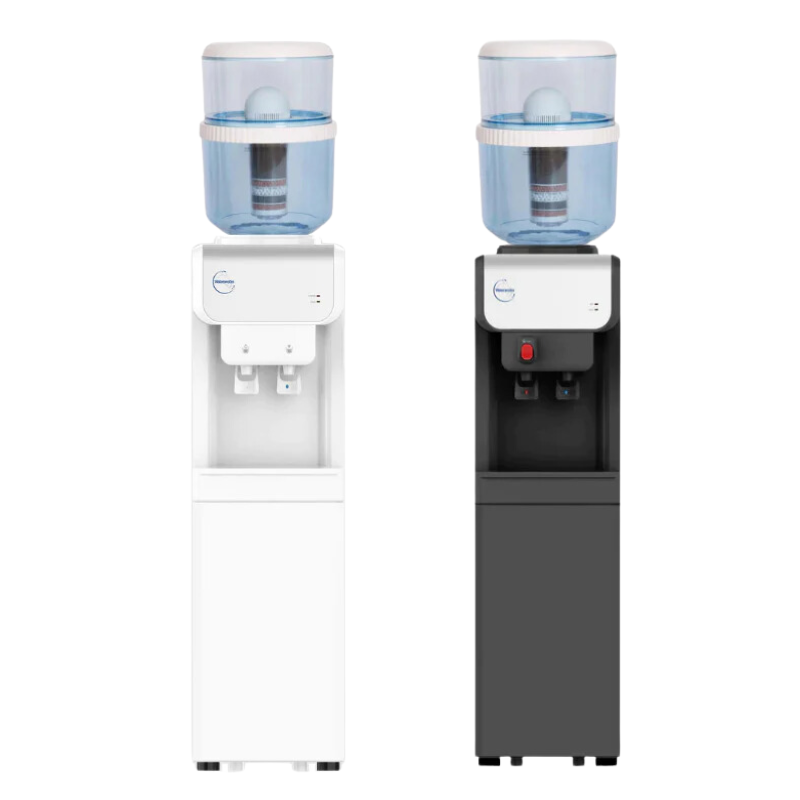
A countertop dispenser is the ideal choice for environments with restricted floor space but available counter room. They provide the exact same cooling and filtration capacity as larger units in a highly condensed format, making them perfect for medical clinics, cafeterias, and teacher lounges.
However, if floor space is abundant and counter space is limited, traditional bottled water coolers or freestanding bottleless models offer a dedicated, standalone hydration station.
Yes, because bottleless models tap directly into your building's municipal water line, it is highly recommended to have a licensed plumber perform the installation to prevent leaks and ensure optimal water pressure.
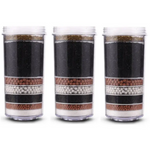
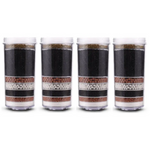
For standard commercial or residential use, the internal carbon and sediment filters should be replaced every 6 to 12 months. This ensures the water maintains its pure taste and the machine operates efficiently.
Reverse osmosis is an absolute filtration method that removes nearly all dissolved solids, including trace minerals like calcium. Many modern RO dispensers include a final remineralization stage to add these beneficial minerals back into the water before dispensing.