0 item(s)
View cart
You have no items in your shopping cart.
When exploring water purification methods, ceramic filtration stands out as one of the oldest and most reliable technologies. Despite their ancient origins, these systems offer unparalleled modern advantages in terms of water purity, sustainability, and efficiency. They provide a highly effective, natural barrier against biological contaminants.
Ceramic water filters trace their roots back to ancient civilizations. Ancient Egyptians used porous ceramic vessels to naturally filter and cool their drinking water. In the 19th century, Henry Doulton refined the manufacturing process, making these micro-porous filters accessible and highly effective for households worldwide.
A ceramic filter operates through a simple, mechanical process known as micro-filtration. The naturally porous structure of the ceramic shell allows water molecules to pass through while physically trapping larger contaminants. This effectively blocks bacteria, protozoa, and larger sediments from entering your drinking supply.

Ceramic filters feature microscopic pores that provide excellent mechanical filtration. They are highly effective at reducing harmful physical pathogens and sediment without relying on complex machinery. This makes them a reliable baseline for any water filter setup.
These filters are incredibly environmentally friendly, as they are made from naturally occurring earth. Unlike disposable plastic cartridges, the ceramic shell can be cleaned and reused multiple times before needing replacement. Once they reach the end of their lifespan, the natural material can be safely crushed and composted.
Because they are reusable, ceramic filters offer a much lower overall cost of ownership over time. Furthermore, they operate entirely on gravity or standard municipal water pressure. This means they require zero electricity to function, helping to reduce household energy consumption.
Maintaining a ceramic filter is simple and requires no professional plumbing tools. As the filter traps sediment, the flow rate will naturally slow down. A simple scrub of the outer surface under running water removes the trapped layer of dirt and immediately restores optimal water flow.
Activated carbon is excellent for removing dissolved chemicals like chlorine, which improves taste and reduces odors. However, carbon alone is less effective against physical bacteria and protozoa. Ceramic filters fill this gap by providing a strict physical barrier against these biological contaminants.
Reverse osmosis (RO) systems provide absolute filtration but can be costly and generate a significant amount of wastewater. In contrast, ceramic filters are highly water-efficient, producing zero wastewater during the purification process.

The hard outer shell of a ceramic filter is typically crafted from diatomaceous earth, a naturally occurring, highly porous sedimentary rock. This raw material is fired at extreme temperatures to create a rigid, sponge-like structure. The resulting pores are incredibly small, usually measuring between 0.5 to 1 micron in diameter.
To put this into perspective, the diameter of a single human hair is approximately 70 microns. Harmful microorganisms like E. coli, Giardia, and Cryptosporidium range from 1 to 10 microns in size. Consequently, they are physically too large to slip through the tiny pores of the ceramic shell.
While bacteria and protozoa are easily trapped, viruses are significantly smaller, often ranging from 0.02 to 0.4 microns. To combat this, many modern ceramic filters are infused with silver ions during the manufacturing process. Silver acts as a natural antimicrobial agent, inhibiting bacterial growth on the filter's surface and neutralizing certain pathogens.

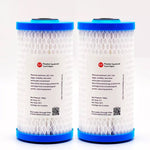
To maximize efficiency, premium ceramic filters feature a hollow core filled with granular activated carbon. This dual-stage combination provides comprehensive protection against a broad spectrum of contaminants. The ceramic exterior handles biological threats and rust, while the inner carbon core absorbs chlorine, volatile organic compounds (VOCs), and unpleasant odors.
This multi-stage approach is frequently utilized in freestanding bottled water coolers that feature refillable filtration bottles. For environments requiring absolute purity without any natural minerals, households may also consider pairing their setup with Ace water distillers.
Utilizing a ceramic water filter is a highly practical decision that merges ancient purification principles with modern material science. It is a robust solution that delivers high-quality, safe drinking water without generating plastic waste or consuming electricity.
You should clean your ceramic filter whenever you notice a significant decrease in the water flow rate, which typically occurs every 3 to 4 weeks depending on your local water quality. Simply scrub the outer surface gently with a soft brush or scouring pad under clean, running water.
No, standard ceramic and activated carbon filters cannot remove dissolved minerals like fluoride. If you need to remove fluoride from your drinking water, you will need to utilize reverse osmosis technology or a water distillation system.
While ceramic filters can be cleaned and reused many times, the ceramic shell will slowly wear down with each scrubbing. Most manufacturers recommend replacing the cartridge every 6 to 12 months, or if the ceramic shell becomes noticeably thin or cracked.