0 item(s)
View cart
You have no items in your shopping cart.
Fluoride is a mineral derived from fluorine, a natural element abundantly found in the Earth's crust, soil, and various water sources. In dentistry, it is widely recognized for its ability to strengthen tooth enamel and prevent early symptoms of decay. Because of these oral health benefits, many municipalities intentionally add controlled amounts of fluoride to public water supplies.
While standard levels are generally considered safe by public health organizations, some individuals prefer to monitor or reduce their daily intake. Understanding how to effectively filter this mineral requires looking at specific filtration technologies, as standard carbon filters are often insufficient.
The practice of purposely adding fluoride to municipal tap water is known as water fluoridation. While trace amounts of fluoride do occur naturally in some geographic regions, municipal fluoridation ensures a consistent concentration for the broader population. However, during standard municipal water treatment, naturally occurring or added fluoride is never completely removed.
If you are unsure about the fluoride content in your local supply, you can usually find a water quality report online provided by your local municipality. This allows you to check exact concentrations and compare them to national averages.
While the dental benefits of topical fluoride are well-documented, the systemic ingestion of high levels of fluoride over time is a subject of ongoing study. For those who consume heavily fluoridated water alongside other fluoride-rich dental products, certain long-term risks may arise.
Dental fluorosis manifests as white patches or yellowing on the teeth. It is primarily caused by swallowing significant amounts of fluoride during early childhood, while teeth are still developing under the gums. While it rarely affects tooth function, severe cases can cause aesthetic pitting and discoloration.
Excessive fluoride intake has been studied for its potential to impact the thyroid gland. Because fluoride can mimic thyroid-stimulating hormones (TSH), it may interfere with the gland's ability to regulate the body's metabolic rate. Some studies suggest a correlation between high fluoride exposure and underactive thyroid function.
Skeletal fluorosis is a condition caused by the accumulation of too much fluoride in the bones over many years. This can lead to joint stiffness, decreased mobility, and an increased risk of bone fractures. While rare in strictly regulated municipal systems, it remains a risk for those relying on unregulated, high-fluoride well water.

Researchers are continuing to study the potential neurological impacts of excessive fluoride exposure. Some studies have raised questions about a potential link between high prenatal or early childhood exposure and neurobehavioral difficulties. While more research is required to establish definitive guidelines, this remains a primary reason many households seek specialized filtration.
Standard activated carbon filters, like those found in basic refrigerator pitchers, are excellent at removing chlorine but generally fail to capture fluoride molecules. Effective fluoride removal requires more advanced technologies such as reverse osmosis, activated alumina adsorption, or distillation.
These advanced methods physically separate the microscopic mineral particles from the water molecules. The result is a purified water supply that provides peace of mind for households monitoring their mineral intake.

Reverse osmosis is one of the most efficient fluoride-removal procedures available. Most RO systems are installed under a kitchen sink and force water through a semi-permeable membrane. This membrane is fine enough to block up to 99.9% of total dissolved solids, including fluoride.
A water distiller operates by boiling water, capturing the resulting steam, and condensing it back into a pure liquid. Because fluoride cannot change into a gas at the boiling point of water, it is left behind in the boiling chamber. For absolute purity, many households rely on Ace water distillers to effectively separate these heavy minerals.
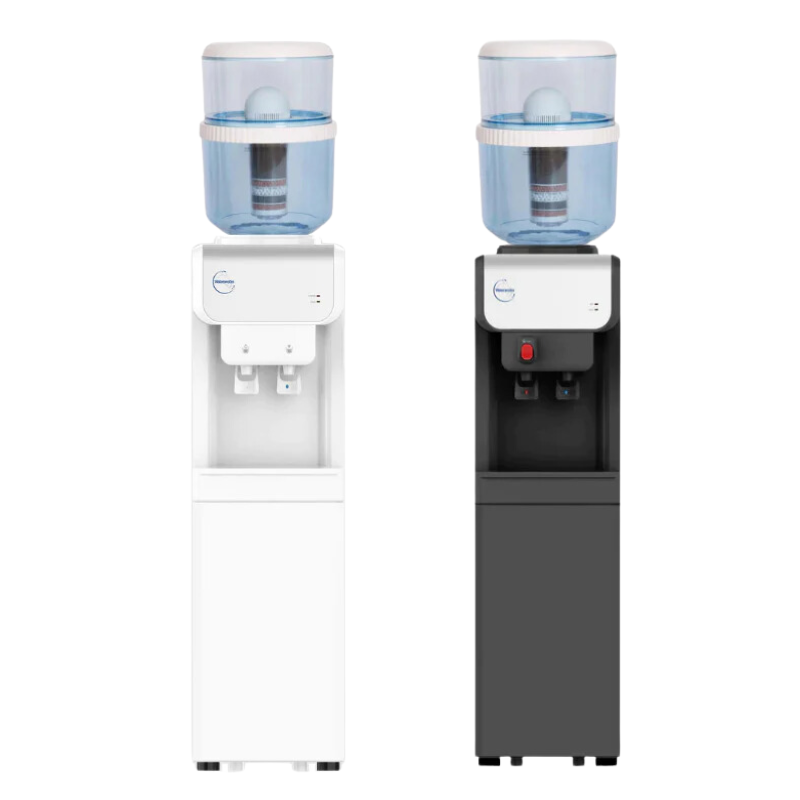
Many under-sink water filters utilize specialized activated alumina cartridges specifically designed to bind and remove fluoride. Similarly, robust gravity-fed filters—which consist of stacked reservoirs—can be equipped with specialized fluoride-reduction elements that pull water through dense media.

The type of system you choose should align with your household's daily water consumption. Larger families typically benefit from the high output of an under-sink reverse osmosis system or a plumbed-in unit. Conversely, single individuals or renters might prefer portable gravity filters or countertop distillers.
Every filtration system requires ongoing maintenance to remain effective. When evaluating options, consider the lifespan of the replacement cartridges. While a system might have a low initial cost, frequently replacing specialized fluoride filters can increase long-term expenses.
Determining the right approach to fluoride management depends entirely on your household's specific health goals and water usage. Whether you opt for a comprehensive reverse osmosis system or a simple countertop distiller, investing in the right technology ensures you have complete control over your drinking water quality.
No, boiling water does not remove fluoride. In fact, because boiling causes some water to evaporate as steam, it actually slightly increases the concentration of fluoride left behind in the pot or kettle.
Most standard refrigerator and basic pitcher filters use activated carbon, which is highly effective at removing chlorine and improving taste but does not have the capability to remove dissolved minerals like fluoride. You must look for filters explicitly rated for fluoride reduction.
Fluoride is not easily absorbed through the skin, so showering or bathing in fluoridated water is generally not considered a significant source of systemic fluoride exposure compared to drinking it.