FAST SHIPPING AUSTRALIA WIDE! BIG DISCOUNTS ON OUR WATER COOLERS AND WATER FILTERS!
Technical Guide to Activated Charcoal Water Filters

Upgrading Your Water Cooler with Activated Charcoal Filtration

If you are investing in a residential or commercial water cooler, ensuring it is equipped with premium filtration media is critical to maximizing your return on investment. The industry standard for effective purification relies heavily on the best activated carbon or carbon block filters.

These highly efficient filters capture impurities through a scientific process known as adsorption, allowing only clean, micro-filtered water particles to pass through. From portable pitcher filters to robust countertop systems, activated charcoal is the non-negotiable core of quality hydration setups.

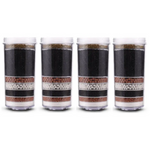
Packaged activated carbon filter sachets for water purification

Sourcing Premium Carbon Media: Why Coconut Shell is the Best Choice

Not all carbon filters offer the same level of performance. Manufacturers typically source raw materials from either coal or coconut shells. When selecting a filter for purchase, the source material directly impacts the filtration quality and the lifespan of the unit.

For top-tier systems, coconut shell carbon is the preferred and highly recommended choice for several critical reasons:

  • Sustainability: Coconut shells are a highly renewable resource, making these filters an eco-friendly purchase.
  • Superior Microporosity: Coconut-based charcoal contains a significantly higher percentage of micro-pores across its surface area compared to coal.
  • Higher Contaminant Adsorption: Because the pore sizes closely match the molecular size of common water pollutants, coconut carbon traps a much wider spectrum of hazardous chemicals.
Infographic detailing the multi-stage filtration process of a high-quality water filter

The Performance Value: Why You Need Carbon Filtration

Investing in an activated carbon filter protects your household or office from a wide range of hazardous substances that municipal treatments often leave behind. High-quality carbon blocks are rigorously tested to completely remove at least 81 unique pollutants while effectively reducing the presence of 52 others.

According to Environmental Protection Agency (EPA) standards, activated carbon is the only filtration method guaranteed to remove all 14 targeted pesticides, 12 specific herbicides, and all 32 recognized volatile organic compounds (VOCs), including benzene.

Furthermore, standard municipal water is heavily treated with chlorine. While chlorine acts as a disinfectant, it creates foul tastes and odors. More alarmingly, chlorine can react with natural organic materials in the plumbing to produce trihalomethanes—chemical byproducts linked to severe health risks. Purchasing a robust activated charcoal filter eliminates this chlorine, neutralizing the risk and drastically improving the taste.

Granulated activated carbon displayed in a wooden bowl for water purification

Buyer's Guide: Selecting the Best Charcoal Filter for Your Cooler

To ensure you are purchasing a product that delivers safety and longevity, evaluate potential filters against these three primary criteria:

  1. Verify the Source Material: Always check the product specifications to confirm the activated carbon is derived from coconut shells rather than wood or coal, ensuring optimal micropore sizing.
  2. Physical Integrity Checks: High-grade filters should feel solid. Avoid purchasing off-brand blocks that look fragile, feature visible hairline cracks, or shed excessive amounts of carbon dust upon handling.
  3. Look for Quality Assurance Certifications: The market is flooded with cheap, low-performing alternatives. Always verify that the filter carries reputable industry certifications, such as NSF, ANSI, or WQA labels, guaranteeing the product has passed extensive performance testing.
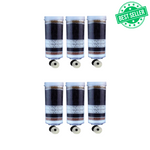
High-quality activated carbon filter media used in water coolers

Technical Specifications to Evaluate Before Purchasing

When comparing premium filtration units, manufacturers often provide specific technical metrics. Understanding these properties ensures you select a filter calibrated for your precise water quality needs.

  • Pore Diameter: The size of the pores dictates what the filter can catch. A high concentration of micropores is ideal for removing low-level organic matter, while a mix of macro and micro pores is necessary for broad-spectrum chemical and chlorine removal.
  • Iodine Number: This metric measures the carbon's adsorption capacity. A higher Iodine Number indicates that the filter is capable of extracting a greater volume of impurities before becoming exhausted.
  • Density: The total volume activity is heavily influenced by density. High-quality activated carbon generally boasts a higher density, ensuring a more compact, efficient filtration bed.
  • Total Surface Area: Typically measured using a BET nitrogen adsorption test, the surface area dictates the overall lifespan and holding capacity of the filter. Greater surface area equals more space for toxins to become trapped.
  • Mesh Size: This refers to the physical size of the granular carbon pieces. Measured through fine sieves, the mesh size influences the water's flow rate and contact time with the filtration media.
  • Ash Content: Look for filters with low ash content. High ash levels can slow down filtration, cause water discoloration, and potentially release heavy metals. Coconut shell carbon naturally features a safer alkali earth metal profile compared to coal-based ash.
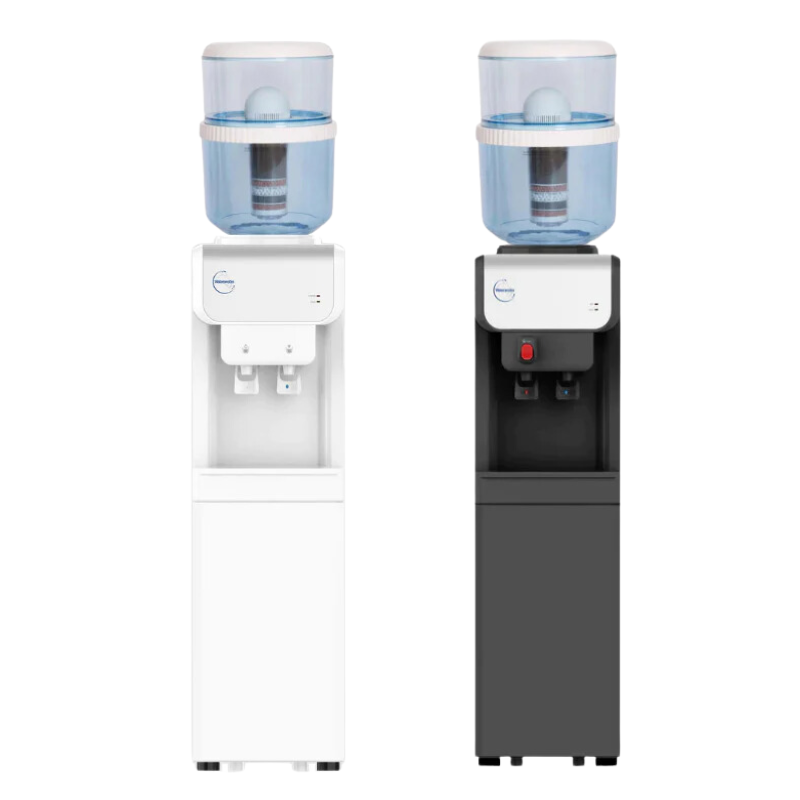
Purchasing Tip: When outfitting your freestanding or countertop water cooler, pairing an activated coconut carbon block with a multi-stage system offers the most comprehensive protection against both chemical and physical contaminants.

Frequently Asked Questions

Why is coconut shell carbon considered better than coal carbon?

Coconut shell carbon is preferred because it is a highly renewable resource that naturally produces a tighter, more dense network of micropores during the activation process. These micropores perfectly match the molecular size of most hazardous water pollutants, making it significantly more effective at purification than coal-based carbon.

How often do I need to replace an activated charcoal filter?

To maintain peak adsorption capacity and prevent the buildup of trapped contaminants, most activated carbon filters should be replaced every 6 to 12 months, depending on the specific model's capacity and your daily water consumption volume.

Will an activated carbon filter remove beneficial minerals from my water?

No. Activated carbon filters work through chemical adsorption, specifically targeting organic compounds, chlorine, and synthetic chemicals. They generally allow healthy, dissolved inorganic minerals like calcium and magnesium to pass through the filter and remain in your drinking water.
Just added to your wishlist:
Wishlist product placeholder
My Wishlist
You've just added this product to the cart:
Cart product placeholder
Go to cart page