0 item(s)
View cart
You have no items in your shopping cart.
Multi-stage water filtration systems are designed to recreate the natural purification processes of the earth, providing clean and mineral-rich drinking water. An 8-stage water filter system is engineered to systematically remove impurities from tap water. It achieves this without relying on harsh chemicals or complex electrical components.
These systems are straightforward to operate and maintain, making them a practical choice for both homes and offices. By understanding how the successive layers work, individuals can make informed decisions about their daily water consumption and overall hydration habits.

The core philosophy behind an 8-stage system is to purify drinking water to the greatest extent possible while retaining beneficial elements. The sequential processes work together to filter out organic pollutants, heavy metals, and suspended particles. In addition to purification, the later stages are designed to soften the water and balance its pH levels.
This method significantly reduces unwanted tastes and odors, such as those caused by municipal chlorination. The result is a consistent supply of clean, fresh-tasting water that provides a reliable alternative to single-use plastics.
As water flows downward through the unit, it passes through distinct layers of filtration media. Each stage serves a specific purpose:

To fully grasp the efficiency of an 8-stage system, it is helpful to look closer at the specific media used inside the filter cartridges.
Maifan stone is a biologically active mineral rock composed primarily of inorganic aluminosilicate. It is highly valued for its adsorption capability, effectively trapping soluble heavy metals and chemical contaminants. Simultaneously, it releases beneficial minerals, helping to moderately increase the water's alkalinity.
KDF media uses a process called oxidation-reduction (redox) to alter the molecular structure of contaminants. It is highly effective at reducing chlorine, hydrogen sulfide, lead, mercury, and calcium. By controlling the buildup of scale and organic matter, KDF also extends the lifespan of the activated carbon layers.
Many modern diets lean heavily toward processed, acidic foods. Alkaline ceramic minerals are included in filtration systems to gently raise the water's pH to a slightly alkaline level (around 7.4 to 8.5). These minerals also help break water into smaller clusters, which is thought to improve cellular hydration and nutrient transport.
Integrating a high-quality filtration setup into a home or office environment provides several tangible benefits. From environmental impact to daily convenience, the advantages extend beyond simple purification.
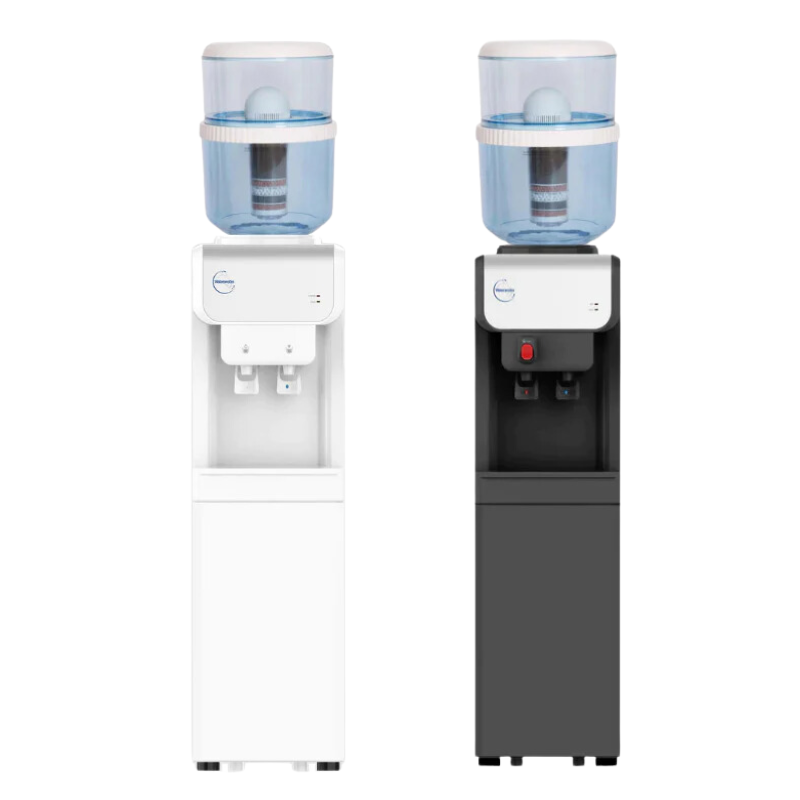
While standard tap water is generally treated and considered safe, it can still carry trace pollutants or heavy metals from aging municipal pipes. Utilizing a comprehensive water filter system provides an extra layer of defense against these unwanted elements. Alternatively, for those seeking 100% pure H2O without any minerals, Ace water distillers offer a different, highly effective purification method.
Switching from bottled water to filtered tap water drastically reduces plastic waste. Since a vast majority of plastic bottles end up in landfills or ecosystems, filtering water at home is a highly effective way to lower your carbon footprint.
Though purchasing a filtration system requires an initial investment, the long-term savings compared to buying daily bottled water are significant. Furthermore, having continuous access to purified water right from your kitchen counter or via bottled water coolers eliminates the need for frequent trips to the store.

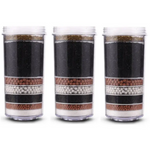
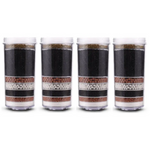
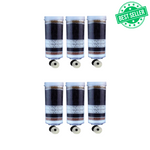
For optimal performance, it is generally recommended to replace the multi-stage filter cartridge every 6 to 8 months. However, this timeline may vary depending on the specific water quality in your area and the volume of water your household consumes.
While an 8-stage system is excellent at reducing chlorine, heavy metals, and organic compounds, standard carbon and KDF filters do not completely remove fluoride. Removing fluoride typically requires specialized filtration methods like reverse osmosis or water distillation.
Alkaline water has a higher pH level than standard tap water, usually between 7.4 and 8.5. In an 8-stage system, this is achieved by passing the water through mineralised balls and ceramic plates that naturally release trace minerals like calcium and magnesium back into the water.