0 item(s)
View cart
You have no items in your shopping cart.
Installing a brand-new multi-stage water filter is an excellent step toward improving your daily hydration. However, many individuals are surprised to find tiny black specks floating in their first glass of newly filtered water. This is a very common occurrence and is rarely a cause for concern.
These mysterious black particles are not signs of a defective system or contaminated plumbing. Instead, they are a natural byproduct of the materials used inside the filtration cartridge itself.

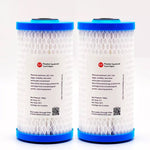
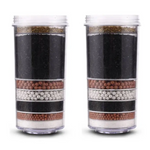
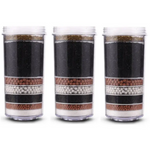
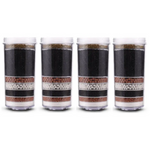
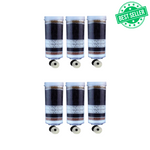
In the vast majority of cases, the black particles you see are pieces of loose activated carbon. Activated carbon is a highly porous, natural material used extensively in modern water filters to absorb impurities, chlorine, and organic compounds.
During the manufacturing and shipping processes, the dense carbon blocks or granules inside the filter can rub against each other. This friction creates a fine carbon dust that rests loosely inside the new filter cartridge until water flows through it for the first time.

If you accidentally ingest some of these black specks, there is no need to panic. Activated carbon is entirely non-toxic and is safely used in various health and medical applications. While it may look unappealing in your drinking water, it poses no danger to your health.
In fact, the presence of this carbon dust is a visual confirmation that your filter contains the necessary media to trap harmful chemicals and heavy metals. Once the initial dust is cleared, the remaining carbon will efficiently do its job to purify your water supply.

The most effective way to eliminate black sediment is to thoroughly flush the system immediately after installation. Running a steady stream of cold water through the new filter purges the loose carbon particles before they can enter your drinking glass.
Skipping this essential step is a common mistake that can lead to temporary aesthetic issues with your water. Proper flushing not only ensures crystal-clear water but also prevents the loose carbon dust from prematurely clogging downstream components within your dispenser.

The mineral composition of your local tap water can also influence how a filter behaves over time. In areas with particularly hard water, naturally occurring minerals like calcium and magnesium can interact with the filtration media. Over time, this interaction can occasionally cause older filters to shed minor amounts of sediment.
For households seeking absolute control over their water's mineral content and purity, treating tap water with Ace water distillers offers a comprehensive, zero-sediment solution. This is especially useful in regions with exceptionally harsh municipal water conditions.

Black sediment should not be a persistent issue once a filter is broken in. If sediment reappears after months of use, it is often a sign that the internal media is degrading and the cartridge needs to be replaced.
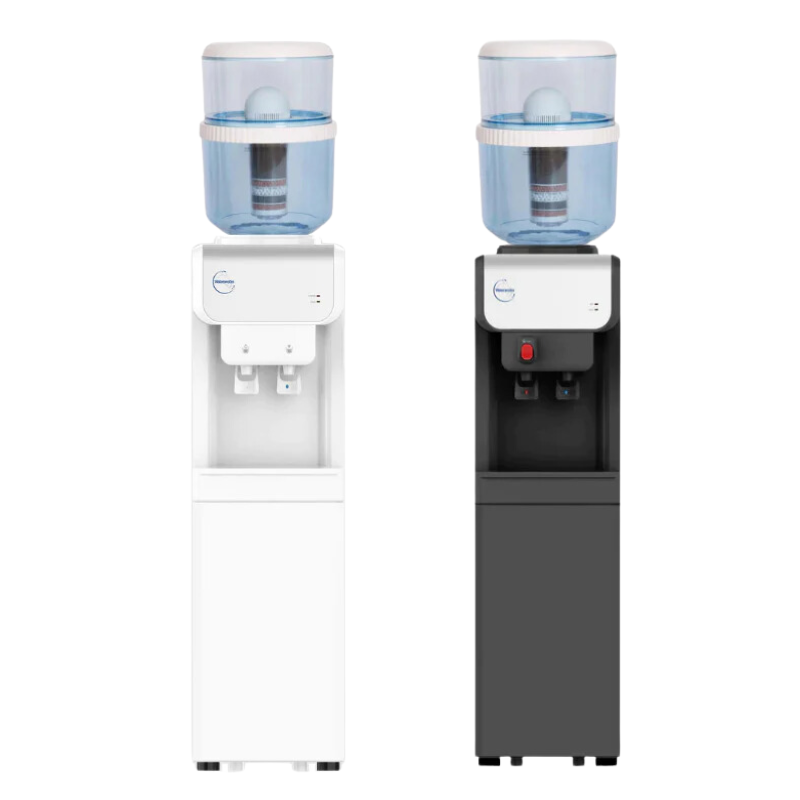
Adhering to the manufacturer's recommended replacement schedule ensures your system remains clean and effective. Whether you are maintaining a small countertop unit or larger bottled water coolers, regular cartridge changes are the key to consistent, clear hydration.
Generally, running cold water through a new filter for 3 to 5 minutes is sufficient to clear out any loose carbon dust. However, you should always consult the specific manufacturer's instructions, as larger multi-stage filters may require a longer initial flush.
If the water continues to show black sediment after a prolonged flush, remove the filter cartridge and shake it gently to loosen any trapped air bubbles or compacted dust. Reinstall the cartridge and flush the system for another few minutes.
No, you should only use cold water to flush a filtration system. Exposing activated carbon and specialized resin beads to hot water can permanently damage the media, reducing its lifespan and overall effectiveness.
 lee bradley