0 item(s)
View cart
You have no items in your shopping cart.
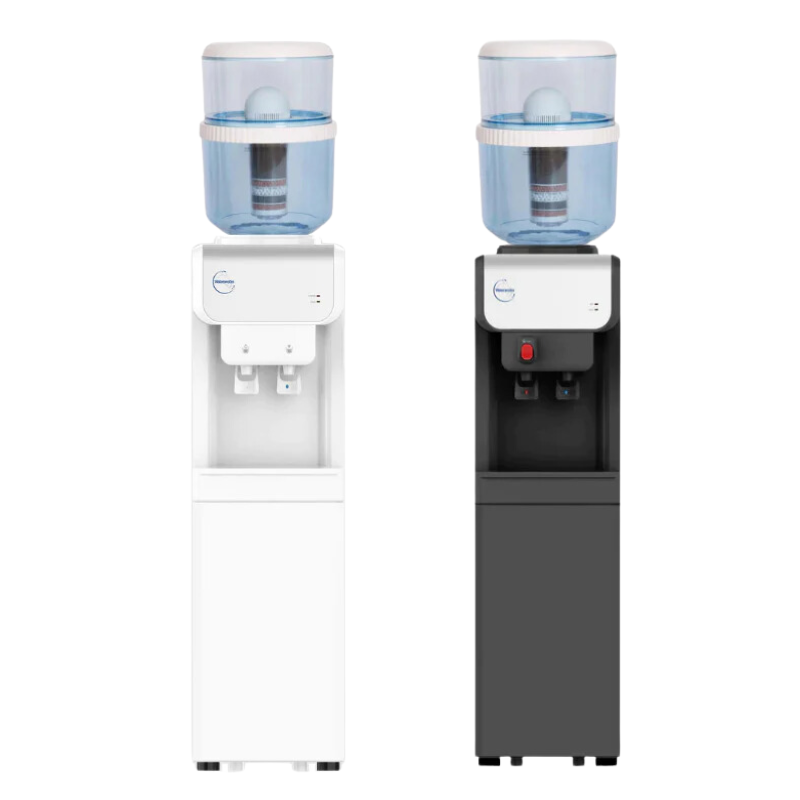
Water filtration systems, particularly those integrated into high-capacity bottled water coolers, rely heavily on activated charcoal. This highly porous material purifies water through a chemical process known as adsorption. Unlike physical absorption (which acts like a sponge), adsorption chemically binds volatile contaminants to the surface of the carbon filter.
Using activated charcoal is the industry standard for commercial and residential hydration because it actively strips hazardous pollutants while intentionally leaving essential, dissolved minerals and salts in the water for optimal taste and physiological balance.

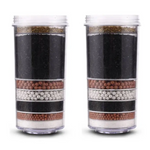
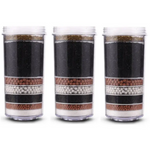
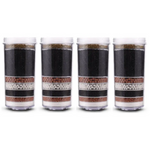
The primary function of activated carbon in a multi-stage system—such as an 8-stage KDF water filter—is to eliminate free chlorine and chloramines. Activated carbon interacts instantaneously with free chlorine in municipal tap water to form harmless chlorides. This crucial step prevents oxidation damage to secondary reverse osmosis membranes.
Furthermore, high-purity activated carbon is a powerful organic compound adsorber. It effectively maintains low Total Organic Carbon (TOC) levels, working efficiently alongside UV oxidation and sediment pre-filters to safeguard purified water reservoirs inside your dispenser.

According to stringent EPA and NSF studies, advanced activated carbon technology can successfully eliminate 60 to 80 primary contaminants and drastically reduce up to 30 additional chemical compounds. Standard carbon blocks target and neutralize:
The structural form of the activated carbon directly determines its efficiency, flow rate, and optimal application in water treatment systems.
Granular activated carbon particles are relatively large. Because GAC diffuses quickly, it is highly effective for large-scale water treatment. However, in smaller residential filters, GAC can sometimes fall victim to "channeling," where water carves a path of least resistance, bypassing some of the filtration media.
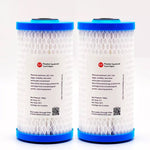
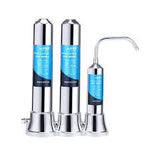
PAC consists of microscopic carbon dust, offering a massive surface area. EAC takes this fine powder and uses a binding agent to extrude it into a robust, solid cylinder. This is the foundation of the modern Carbon Block Filter, heavily utilized in high-end single countertop water filters to eliminate chlorine, taste, and odor with zero pressure drop.

When upgrading the filtration system on your water cooler, solid carbon block filters are generally superior to loose GAC filters. A carbon block forces water through densely packed, microscopic pores. This entirely eliminates the risk of channeling.
Absorption is a physical process where a substance acts like a sponge, soaking up a liquid. Adsorption, utilized by activated carbon, is a chemical process where gas or liquid particles bind physically to the surface of the carbon medium.
No. Standard activated carbon is highly effective against chlorine and organic compounds, but it does not remove dissolved minerals like fluoride. To remove fluoride, you must pair the carbon filter with a specialized activated alumina cartridge or a reverse osmosis membrane.
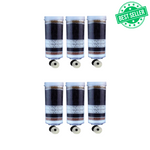
To prevent the carbon pores from becoming fully saturated and to avoid potential bacterial growth, it is recommended to replace standard carbon block filters and GAC cartridges every 6 to 12 months, depending on local water turbidity and daily usage volume.